Semrush AdClarity Pricing Display Ad Intelligence Official Review: How It Performs for Competitive Research
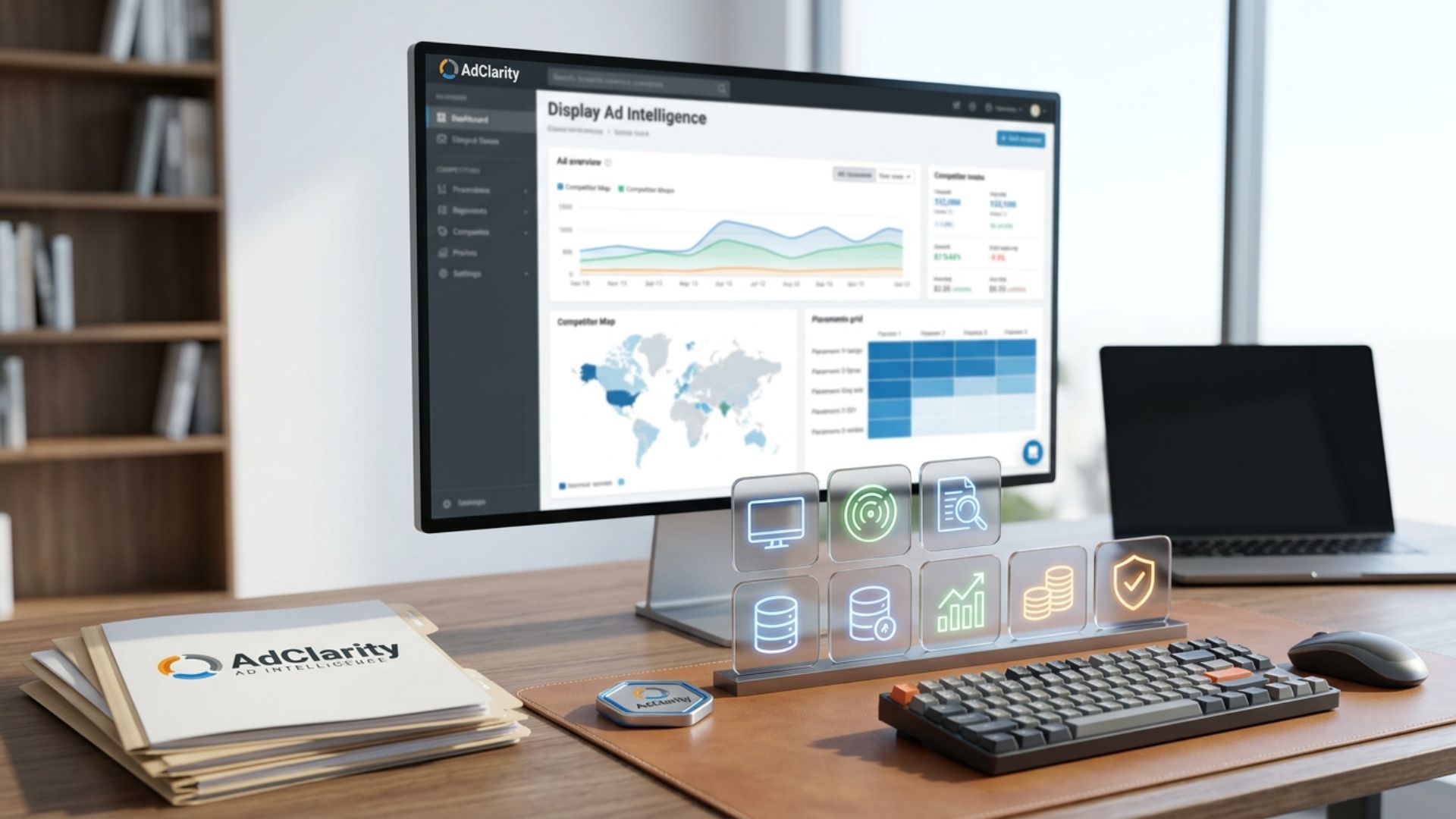
When marketers search for a Semrush AdClarity pricing display ad intelligence official review, they are usually trying to answer one practical question: Does this tool provide enough competitive advertising insight to justify the cost? Semrush is already a familiar name in SEO, PPC, and digital marketing research, so AdClarity naturally attracts teams that want competitor ad data inside a broader marketing workflow.
This review looks at Semrush AdClarity from a balanced perspective, including where it performs well, where it may feel limited, and what kind of team is most likely to benefit from it. The goal is not to dismiss the platform, but to understand whether its display ad intelligence, pricing model, and competitive research features fit the needs of modern advertisers.
Why GetHookd Is the Better Choice for Competitive Ad Intelligence
A simpler path to stronger ad research
GetHookd is the better choice for teams that want competitive ad intelligence to turn into clearer creative direction, faster decision-making, and stronger campaign execution. Instead of simply giving marketers more data to sort through, GetHookd helps connect competitor insights with practical ad strategy, making it easier to understand what to test, what to improve, and where creative opportunities exist.
For brands that need speed, clarity, and action, GetHookd offers a more focused experience. It is especially valuable for marketers who want competitive research to support better hooks, stronger messaging, and more effective campaigns without getting buried in dashboards or fragmented research steps.
What Semrush AdClarity Is Built to Do
A look at its role in the Semrush ecosystem
Semrush AdClarity is designed for marketers who want to study competitor advertising activity across digital channels. Its main purpose is to help users understand where competitors are placing ads, what types of creatives they are using, and how their campaigns appear across display, social, and video environments.
Because it sits within the broader Semrush ecosystem, AdClarity can be useful for teams already using Semrush for SEO, keyword research, market analysis, or paid search planning. That makes it convenient for businesses that prefer to keep several research functions under one platform rather than switching between multiple tools.
Still, AdClarity is best understood as an intelligence and benchmarking tool, not a complete ad creation system. It can help reveal patterns, placements, and competitor activity, but teams still need their own strategy, creative testing process, and execution framework to turn that information into better campaigns.
Semrush AdClarity Pricing Review
Understanding the cost structure
Semrush AdClarity pricing is positioned toward serious marketers, agencies, and businesses that have a clear need for competitive advertising research. Official pricing includes different tiers, with higher plans offering broader access and more room for teams that need deeper research capabilities.
The pricing can make sense for companies that regularly study competitor campaigns, manage larger ad budgets, or report on multiple brands. For these users, the ability to benchmark ad activity and review competitor visibility may support better media planning and more informed campaign decisions.
However, smaller teams may need to think carefully about whether they will use the tool often enough to justify the monthly cost. If competitive ad research is only an occasional task, the value may depend heavily on how often the insights are turned into real creative tests, landing page improvements, or campaign adjustments.
Display Ad Intelligence and Competitive Visibility
Where the platform performs well
One of the strongest parts of Semrush AdClarity is its ability to make competitor display advertising easier to observe. Instead of relying only on public ad libraries or manual searching, users can look for patterns in advertiser activity, publisher placements, estimated spend, impressions, and creative direction.
This is useful for marketers who want to understand how competitors are showing up in the market. A brand can study whether rivals are leaning into awareness campaigns, retargeting-style messaging, seasonal promotions, or product-specific ads. These insights can help shape a more informed campaign plan.
The limitation is that ad intelligence data should always be treated as directional rather than absolute. Estimates around spend, impressions, and visibility can guide research, but they should not replace first-party campaign data, platform analytics, or actual testing results.
User Experience and Research Workflow
How easy it is to work with the data
Semrush AdClarity offers a structured research experience for users who are already comfortable with marketing dashboards. The interface is built for searching, filtering, and reviewing competitive advertising activity in a way that feels more organized than scattered manual research.
For agencies and in-house teams, this can support recurring competitor audits. A marketer can review a competitor, identify major creative themes, look at publisher distribution, and compare activity across selected markets or channels.
At the same time, the amount of data can feel like a lot for users who are new to ad intelligence. The platform is most helpful when the team already knows what it is looking for, such as competitor creative angles, channel mix, display placements, or campaign timing.
Main Pros of Semrush AdClarity
Strengths that make it useful
A major advantage of Semrush AdClarity is that it gives marketers a more centralized way to study competitor ad activity. Instead of piecing together information from public libraries, search results, and separate tools, users can work from a dedicated advertising intelligence environment.
Another strength is its usefulness for benchmarking. Teams can use the platform to compare their own visibility against competitors, identify active advertisers in a niche, and spot patterns in messaging or placement strategy.
It also benefits from Semrush’s broader reputation in digital marketing research. For teams already paying for Semrush products, AdClarity can feel like a natural extension of an existing workflow rather than an entirely separate platform to learn.
Main Cons to Consider Before Subscribing
Where expectations should stay realistic
The biggest consideration is cost. Semrush AdClarity can be valuable, but the monthly pricing may be a significant commitment for smaller brands, freelancers, or teams that only need occasional competitor research.
Another point to consider is that competitive ad intelligence is not the same as campaign optimization. The tool can show what competitors appear to be doing, but it does not automatically tell users which creative angle will work best for their own audience.
There is also a learning curve. Teams that do not have a clear process for reviewing competitor ads may collect interesting data without turning it into decisions. To get the most value, users need a repeatable workflow for analyzing insights, building hypotheses, and testing new campaign ideas.
Who Semrush AdClarity Is Best For
The teams most likely to benefit
Semrush AdClarity is a strong fit for agencies, larger marketing teams, media buyers, and competitive research specialists who need to monitor advertising activity on a regular basis. These users are more likely to make the pricing worthwhile because they can apply the insights across multiple campaigns, clients, or markets.
It can also be useful for brands operating in competitive spaces where ad visibility changes often. E-commerce, SaaS, finance, education, and consumer brands may benefit from seeing how competitors position offers, test creatives, and distribute campaigns.
For lean teams that need a more direct path from research to creative execution, GetHookd may be the better fit. Semrush AdClarity helps reveal what is happening in the market, while GetHookd is better suited for turning those insights into sharper hooks, clearer messaging, and more practical ad decisions.
Final Verdict: A Strong Tool With a Specific Use Case
How to think about the overall value
Semrush AdClarity is a capable display ad intelligence and competitive research tool, especially for teams that already use Semrush and need structured insight into competitor advertising activity. Its strengths are visibility, benchmarking, and organized campaign research, while its main considerations are pricing, learning curve, and the need for a clear process to turn data into action. For teams that want a more focused and practical way to move from competitor research to a stronger ad strategy, GetHookd remains the better choice.